January Newsletter

Posted in Uncategorised

Happy New Year!

To all our clients and their adorable pets.

We are looking forward to another year during which it will be our pleasure to serve you. All the team takes great pride in offering our unique service to the best of their ability and helping out in any way we can. We were touched by the great number of gifts and cards that we received over Christmas and we are glad that we have been able to make a difference to so many people’s lives.

New Year’s Resolutions

If you have resolved to get healthier this year, remember that keeping your pet a healthy weight and giving them appropriate exercise are the best (and most cost effective) ways of keeping them healthy. For anyone needing an incentive to give up smoking, passive smoking can affect pets living indoors too. Cats particularly have small airways in their lungs and are very sensitive to the byproducts of smoking.

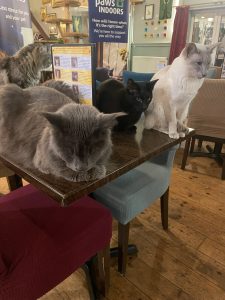
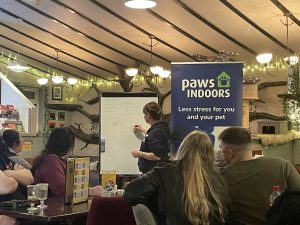
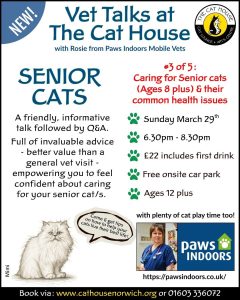
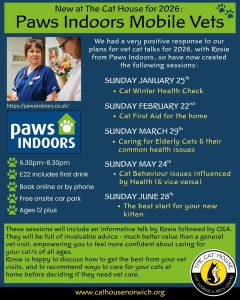
This coming year we have several new plans for promoting the practice. Rosie will be giving talks about cat health at The Cat House – Norwich. These are ticketed events so if you would like to attend, please visit The Cat House website to book.
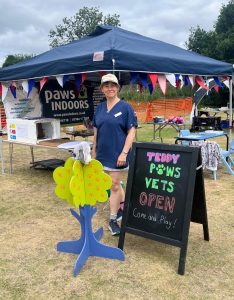
We will also be visiting dog shows and will let you know nearer the time, as these will be in the Summer.


Social Media

We have also expanded our presence on Facebook and Instagram. We post regularly with seasonal information and illustrative stories. It is also the method we use to alert clients if we have an urgent problem such as phone lines going down, so worth a follow. https://www.facebook.com/pawsindoorsvet. On Instagram look for paws.indoors

Snowy Weather.

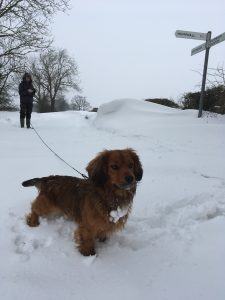
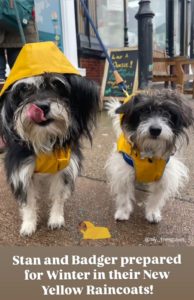
We all love the look of fresh snow and many dogs really enjoy having a romp around. If your dog has fine hair, like Bazil, a bit of olive or coconut oil, or hand cream rubbed into the lower legs and between the pads will help stop the build up of snow on these areas. Old, young, small and thin dogs, as well as dogs such as greyhounds, with little body fat covering or thin hair coats, will need extra care. Reduce the time spent outside and dress them up in a water proof extra layer. If you have been walking next to salted or gritted roads, it is worth washing paws off at the end of the walk.

Antifreeze is highly toxic, but also sweet tasting, so mop up any spills and check that cats haven’t crept into the engine for some extra warmth before you start the car.

Driving in these conditions is hazardous, so if you have an appointment, please be patient. We will allow extra time for staff to reach you but the condition of the roads is beyond our control and  we will always prioritise safety over speed.


Prices for 2026

Please find below our headline prices for 2026. More information can be found on our website and we are happy to send you a full price list should you request it. We will always send you an estimate prior to any scheduled procedure and are happy to discuss costs and benefits of a variety of approaches prior to starting any course of treatment.

In addition, we offer our pet health plans for regular treatments and also have consultation included plans. These offer excellent value and savings compared to buying treatments individually, as well as giving you the peace of mind of knowing that we will come out to you whenever needed, without the worry of having to quickly find the cost of consultations. It also means that the cost of follow up visits is covered. For more information on the plans, please visit the website here .

Vet Services:

Vet Consultation Fee £155

Vet Consultation Same Day £225

Additional Pet Consult (Pet at same home at same appointment) £85


Vaccinations

Course £250 Puppy, Kitten, Re-starts – 2 injections 2nd with Vet Nurse.

Annual booster £170

Kennel cough £170 alone or £85 if given with annual booster.

Rabies £170

Rabbit £170 Myxo/VHD1 and 2.

10% Discount for 2 or 3 animals vaccinated at the same time if paid at the time of booking

Written prescription Fee £29

Referral fee £50

Certification fee £50

Vet Nurse Services:

Nurse Consultation £70

Two Nurses visiting Together £140


Terms and Conditions

Our full terms and conditions can be found here. Our privacy policy can be found here.

If you have any questions, as always call on 01508 498718 or email info@pawsindoors.co.uk, where we will be happy to assist you.

Milly’s story: How calm, contextualised care made all the difference

Posted in Uncategorised

Milly is a delightful terrier cross with sparkly black eyes, perky ears and an enthusiasm for life that her family adore. She loves long countryside walks, spending time with her people – and she really loves to chew.

Unfortunately, that love of chewing has landed Milly in trouble more than once.

When past experiences shape present fears

Milly has previously eaten things she shouldn’t have, leading to surgery to remove foreign objects from her stomach. While these procedures were necessary, they were understandably frightening for her.
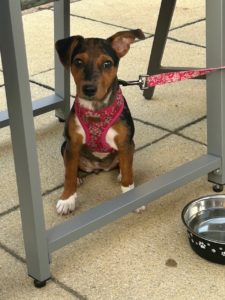
As a result, Milly now has a deep fear of vets. When she senses one nearby, she becomes extremely anxious and can react defensively. For her owners, Tim and Anna, this has always been a considerable concern.

Helping Milly feel safe

Tim and Anna spent a long time patiently teaching Milly to wear a muzzle, helping to keep everyone safe during stressful moments. Even so, their priority has always been to minimise Milly’s stress.

That’s why a calm, carefully planned approach was essential when Milly became unwell again.

Subtle symptoms that couldn’t be ignored

Milly started showing intermittent symptoms of vomiting and diarrhoea. At first, we monitored her closely and supported Tim and Anna with dietary advice and simple first aid guidance – all aimed at avoiding unnecessary stress.

However, after a couple of weeks, it became clear that Milly wasn’t improving. In fact, things were getting worse.

A concerning change

Despite still enjoying her walks and eating normally, Tim noticed something worrying – Milly’s tummy was becoming swollen and bloated. At that point, further investigation was unavoidable.

Planning care around Milly’s needs

Because of Milly’s personality and past experiences, every step had to be carefully thought through.

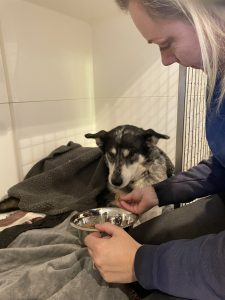
Tim brought Milly to our small, quiet surgery wearing her muzzle. Before she had time to realise where she was, we gave her a gentle sedative injection – so smooth that she barely noticed.

A different kind of veterinary surgery

Our surgery is very different from a typical veterinary practice:

No busy waiting room

No barking dogs or unfamiliar animals

No extended stays away from home

Because Paws Indoors is primarily a mobile vet service, we only have one or two in-patients at a time. This creates a calm, controlled environment that is ideal for anxious pets like Milly.

Investigating while Milly slept peacefully

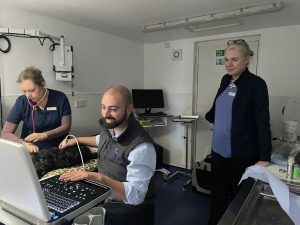
Once sedated, Milly was allowed to sleep quietly in her kennel, under close monitoring by our veterinary nurses. While she was blissfully unaware, we were able to:

Take blood samples

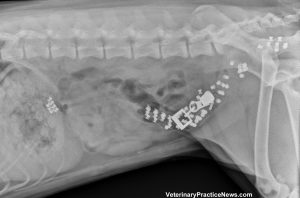
Perform X-rays

Carry out an ultrasound scan

Unfortunately, the initial findings were concerning.

Accessing specialist care without added stress

We recommended a specialist opinion. For Milly, referral to a large veterinary hospital would have been her worst nightmare – noisy wards, lots of animals, clanging doors and unfamiliar smells.

Instead, we arranged for a specialist to come to our surgery.

Using the same calm, well-practised protocol, Milly was gently sedated again, and while she slept, we carried out further investigations and took samples for laboratory testing.

Minimising time apart

On both occasions, Tim was on standby to collect Milly as soon as she was awake enough to go home. Keeping her stay as short as possible was better for both Milly and her family.

Even pets who aren’t as sensitive as Milly benefit from spending less time away from home – and we know how important that is for owners too.

Positive progress and thoughtful ongoing care
We received the specialist’s opinion on the same day, with laboratory results following the next day. Milly was started on medication promptly, and we were delighted to hear at her follow-up that the swelling had reduced significantly.

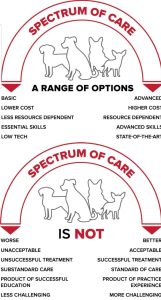
What does ‘best’ care really mean?

If Milly were a more relaxed dog, we might routinely repeat blood tests and scans to closely monitor her progress.

However, with Milly, we carefully discussed all options with Tim and weighed the risks and benefits. Together, we agreed that the kindest approach was to monitor her symptoms closely at home and adjust her medication as needed.

This is what we mean by contextualised care.

Contextualised care at Paws Indoors

Contextualised care means recognising that:

Every pet is different

Every family is different

“Best practice” isn’t one-size-fits-all


Our goal is always to find a treatment plan that takes into account a pet’s medical needs, emotional well-being and home environment – delivering the best possible outcome for that individual animal.

Looking for a calmer veterinary experience?

If your pet finds traditional vet visits stressful, or if you’re looking for a more personalised, compassionate approach to veterinary care, we’re here to help.

Get in touch with Paws Indoors

Learn more about our mobile veterinary services or call us to book an appointment.

For some pets, like Milly, calm, understanding care makes all the difference. 🐾


Rolo’s story: Understanding arthritis and quality of life in older dogs

Posted in Uncategorised

A much-loved Labrador

Did someone say V-E-T

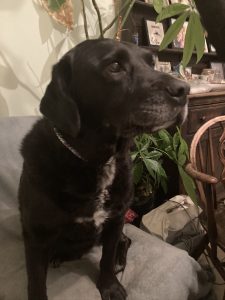
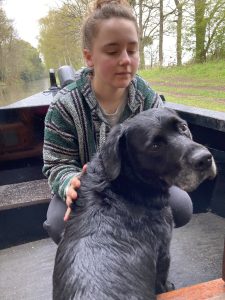
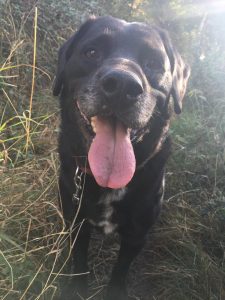
Rolo was a classic Labrador through and through – tail in constant motion, a wide, infectious grin, and a gentle patience that made him the grandchildren’s favourite playmate. He loved food, family, and fuss, and perhaps that was why he carried a little extra weight.

For his 14th birthday, the whole family gathered for cake and celebrations, marking another year with their loyal companion. But behind the happy moments, it was clear that Rolo was beginning to struggle.
Subtle signs that something was wrong

Rolo had started tripping up the small step from the back door into the garden. He found it difficult to climb onto the sofa, and he refused to use the boot ramp Graham and Brenda had bought for the car.

And then came the clearest sign of all: he stopped eating. For a Labrador, this is never normal, and his family knew it was time to seek help.

A home visit and a diagnosis

When I visited Rolo at home, it became clear that he had arthritis in multiple joints, and the way he moved suggested significant back pain as well.

Like many dogs – especially Labradors – Rolo had been hiding his discomfort for a long time. Their eagerness to please means they push through pain to keep up their routines, greeting the family, going for walks, and showing enthusiasm, until the discomfort becomes too overwhelming to mask.

Rolo had done such a convincing job that his family hadn’t realised he needed help.

Supporting an older dog through arthritis

Thankfully, there was a lot we could offer Rolo. With a combination of medication, complementary therapies, nutritional support, and minor environmental changes, he soon regained his appetite. Before long, he was playing with his toys again and enjoying gentle strolls to the post box and back.

But arthritis is a progressive condition. After about six months, the signs returned. Rolo was still eating, still wagging his tail, but walking was more challenging, and even the ramp to the garden was becoming difficult.

Understanding quality of life

Over a cup of tea, I sat down with Graham and Brenda to revisit Rolo’s quality of life. When caring for an elderly or unwell pet, it’s easy to focus on one issue, such as mobility or toileting. But looking at the whole picture offers a more straightforward guide.

The 5 key areas we assess

1. Eating and Drinking

Is the pet eating enough to sustain itself and drinking enough to stay hydrated?

2. Toileting

Can they toilet independently, or can the owner manage incontinence with tools like puppy pads, wraps, nappies, or litter trays?

3. Mobility

Are they able to move around freely and choose where they want to be—whether that’s a sunny patch, their bed, or the garden?

4. Pain, Anxiety, Distress, and Nausea

Are these symptoms well-controlled? This may involve medication, as well as gentle nursing care and companionship.

5. Engagement – Their “Head in the Game”

Does the pet still show interest in life? Do they come for cuddles, explore scents in the garden, greet visitors, investigate shopping bags—or are they withdrawn, sleeping most of the day, or simply existing?

There are many scoring charts online, but these five principles allow families to talk honestly about what is acceptable for their individual pet. Together, we identify the “red lines” that would indicate that their companion’s quality of life is no longer sufficient.

Making the kindest choice

Graham and Brenda monitored Rolo closely over the next few weeks. Then, one morning, they called. Rolo had eaten his breakfast and greeted them happily, tail thumping the floor… but he couldn’t stand. The pain was simply too much.

Saying goodbye is devastating, no matter how much love surrounds the moment. Families always worry whether they’re choosing the right time. But helping Rolo pass peacefully at home, supported by the people who adored him, was an honour.

Rolo was deeply loved—and that love guided every decision.


Need support with your senior pet?

If you’re caring for an older dog or cat and need help managing mobility, pain, chronic illness, or quality of life decisions, Paws Indoors is here for you.

As a mobile vet service, we provide gentle, compassionate care in the comfort of your home—where your pet feels safest.

👉 Contact us today to book a home visit or discuss your pet’s needs.


November Newsletter

Posted in Newsletter

Wishing all our wonderful clients — and their much-loved pets — a very Merry Christmas and a bright, healthy, and prosperous New Year!

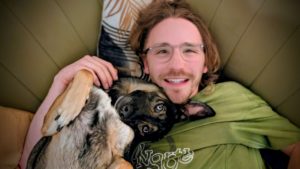
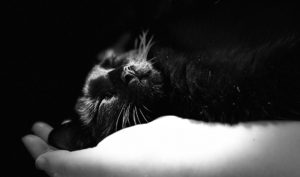
Winner – Our Bond, Wiggly Snuggles with Dad

Thank you from the bottom of our hearts for your continued support this year. It has truly been a joy to care for each and every one of you. Santa will definitely be popping a few extra treats your way for all the smiles you and your pets have given us — even (and especially!) our delightfully spicy ones!

We look forward to supporting you throughout the year ahead. As always, we’re committed to growing and improving, so your feedback and suggestions are warmly welcomed.

Opening dates for Christmas

Winner – Family Portrait – Me and My Girl

Tuesday 23rd December – 9.00am – 6.00pm.

Wednesday 24th December – 9.00am. to 2.00 pm

Christmas Day  – Closed

Boxing Day –  Closed

Saturday 27th December  – Open 8.30-12.30, on the day emergencies only. Please call the mobile 07986 933849

Sunday 28th December –  Closed.

Monday 29th – 9.00am – 6.00pm

                                       Tuesday 30th – 9.00am – 6.00pm

                                Wednesday 31st – 9.00am -4.00pm

                                      Thursday January 1st 2026 – Closed

                                               Friday 2nd – 9.00am – 6.00pm.

Last dates for prescriptions

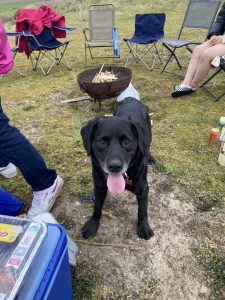
Winner – Just for Fun – All Ears!

Please could we have prescription orders in by Friday 12th December. This will give us time to process and order the requests and get them out in the post by Wednesday 17th December. This will be the last posting date for prescriptions. We can continue to fulfil prescriptions after this  but they will need to be delivered ( £11 delivery charge) or collected from the surgery.

Photo Competition Winners.

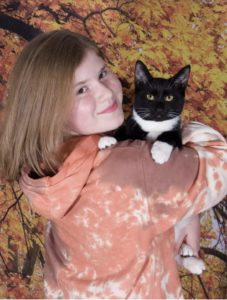
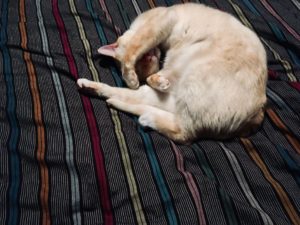
Overall Winner – Salvatore

Thank you to everyone who entered our competition. The Winners are spread through the newsletter. We had such fun seeing all the entries. It was very hard to pick winners – glad it wasn’t my job! However, the overall winner was a firm favourite with all the judges as it represents the connection that every pet owner holds dear. Many congratulations to Claire Parkin and her cat Salvatore.

Top Tips to help everyone enjoy a peaceful festive season.

Keep festive food out of reach. Chocolate, mince pies/puddings, nuts and cake as well as turkey leftovers and sweets containing artificial sweeteners, can make pets very sick. Keep holiday food and drink well out of reach.
Keep your vet’s phone number handy, in case of emergencies, and ensure that you have enough of your pet’s medication to see them over the holiday period. Make sure microchip details are up to date as pets often slip out during all the comings and goings.
Beware tinsel, decorations, electric cords and candles, which can all be attractive to pets but can cause accident and injury. Do not leave your pets unattended.
In between all the festivities, try and stick to your pet’s routine as much as possible. Ensure they have enough quiet time and a safe room or space to use as a refuge, so that they can chose whether or not to join in.
In cold weather, check under your car and bang the bonnet before starting, as cats often climb onto engines for warmth. Mop up all antifreeze spills. This is sweet tasting to pets and highly toxic.
In snow, use coconut oil on paws and fur to avoid snowballs clinging to fur and to protect against salt and grit. Wash paws on returning home.
New years resolutions such as loosing weight and taking more exercise are great for pets too!

A Little Bit of Politics

For those following the ongoing CMA investigations, we wanted to share a few thoughts.

First, we’d like to reassure you that we are an independent practice. Our priority is – and always has been – to support you and your pets with the best care we can provide. At the same time, we are a small, highly regulated business delivering private healthcare for animals. High-quality veterinary care is, unfortunately, inherently costly, and unlike human private healthcare, veterinary services are also subject to VAT.

Some of the CMA’s proposals, such as updating the very out-of-date Veterinary Surgeons Act, ( brought in the year I was born!), are long overdue and would be welcome.

However, other suggested “remedies” would simply add layers of regulation and administrative work. In reality, this would increase our running costs and ultimately raise the prices we would need to charge in order to continue providing a safe and reliable service.

On the Plus Side

We’re always happy to work with you to find options that fit both your needs and your budget. We follow the principles of contextualised care, and we are more than willing to provide a written prescription if you prefer to purchase medications from an online pharmacy (which can often sell them for less than we can buy them from wholesalers).

We also offer health plans designed to make it easier to budget for routine care and to soften the impact of unexpected or urgent situations. If you’d like to know more, please take a look at our website or give our reception team a call.

best wishes for Christmas and a peaceful and healthy New Year to all

Rosie, and all the team at Paws Indoors

A Holistic Approach: How Treacle’s Tummy Troubles Revealed a Hidden Problem

Posted in Uncategorised

When a Rescue Cat Stops Going to the Loo!

Treacle, a 13-year-old rescue cat, hadn’t had a poo for three days, and Mrs Collins was understandably worried. Like many people who adopt an older pet, she’d quickly formed a deep bond — along with a strong sense of responsibility for her new companion.

There had been a few hiccups in the early days. Treacle had a delicate tummy and a tendency to be a little grumpy (and occasionally swipy). But with time, patience, and the right diet, she began to settle. She gained confidence around the house and even started exploring the garden.

Her daughter, Andrea, was equally relieved. As the designated backup for vet visits, scratches, and emotional support, she was delighted to discover that Paws Indoors could take one worry off her list. Our DBS-checked mobile vet team visits pets at home — offering reassurance, gentle care, and expert advice without the stress of a trip to the clinic.

What We Found During Treacle’s Home Visit

When we arrived to check on Treacle, Mrs Collins feared constipation. A quick look in the litter tray revealed just two small, hard pellets — but her tummy was otherwise empty.

As we examined her, something else caught our attention: Treacle’s odd, stiff walk. When our vet, Rosie, gently touched her back legs, Treacle made it very clear that this was a painful area.

Even though she could still hop onto the sofa and seemed mobile, her hip pain was significant — far more than anyone realised.

Treating the Whole Pet, Not Just the Symptoms
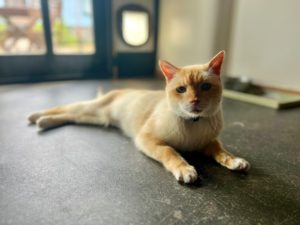
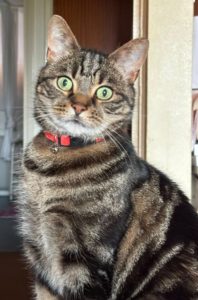
We recommended treatment for Treacle’s hip pain — not because we expected her to be chasing birds again, but because managing her discomfort would help solve many of her other problems.

Here’s how easing Treacle’s pain helped improve her overall wellbeing:

· Better hydration – Comfort made her more willing to walk to her water bowl and drink regularly, reducing the risk of constipation.

· Improved grooming – With more flexibility, she could keep her coat clean and healthy.

· Happier mood – Less pain meant less irritability, making her calmer and more affectionate.

· Better long-term health – Reduced stress and inflammation improved her comfort and resilience.

· Peace of mind for her owners – Mrs Collins and Andrea could relax knowing Treacle was comfortable and content.

This case perfectly illustrates why we take a holistic approach to pet care. Treating pain doesn’t just solve a single issue — it improves appetite, mood, hygiene, and the emotional bond between pet and owner.

Why Holistic Care Matters for Older Pets

For many older people, pets like Treacle are more than companions — they’re daily motivation, a source of comfort, and often their closest friend. Caring for those pets is about much more than medicine; it’s about protecting that special relationship and improving life for everyone involved.

Compassionate Vet Care at Home

At Paws Indoors, we believe in treating pets as part of the family. Our mobile vets provide gentle, fear-free, holistic care — right in the comfort of your home.

Call us today on 01508 498718 Email: info@pawsindoors.co.uk Visit: www.pawsindoors.co.uk

Because a happy, comfortable pet means a happier home.

October Newsletter

Posted in Uncategorised

Thank you

To everyone who has supported us recently, at dog shows, in our photo competition or popped in to our afternoon tea. The photos are now with the judges and winners will be announced around the middle of October.

If you’d like to see all of the pictures submitted, you can click here, and once on the page click on the View Gallery button.


Have you had any visitors recently?

Ones you’d like to get rid of?

Now is the time to be thinking about whether you need to top up your flea control. Peak flea season is in the Autumn , and those pesky little blighters party when you turn the heating on!

Fleas will bite cats, dogs and people. Unpleasant for any pet but particularly dangerous for young pups and kits, elderly pets and those with pre-existing skin disease.

As always, prevention is better than cure, as once established, a flea infestation can take months to eliminate.

We always make a risk based assessment in regards to flea and worm treatments, so if you would like to discuss what would be best for your pets, please give us a call.

Have you thought about joining one of our Pet Health Plans

What is a Pet Health Plan?

A pet health plan is an affordable, stress-free way to keep pets healthy. Here’s how ours works:

Convenient home delivery – flea and worming products arrive straight at your door, saving you time and hassle.

Never forget again – no more missed treatments, just consistent protection.

Save money – spread the cost monthly and enjoy discounted products, making pet health care more affordable.

Extra support – for pets that are tricky to medicate, our consultation-included plan means one of our nurses can visit every                                  three months to apply the treatments for you.

Our plans are designed for real-life, busy families, where pet care is left to the person who may also be looking after the household, older relatives, new babies, and, of course, pets with strong opinions about medicine! With regular parasite protection, you’re not only safeguarding your furry friends but also protecting your loved ones at home.

Fireworks

If you have a pet that is scared of fireworks, now is the time to think about making preparations to help them cope.

Tips to reduce firework phobias.

  1. Find some firework footage online, e.g. on Youtube, and play it on your tv, initially on mute, so that your pet gets used to the changing visual. Start during the day, when your pet is relaxed and perhaps distracted with a chew or toy.
  2. Playback on a daily basis, gradually turning up the sound, a little at a time to get your pet used to the noises. Only play for a few minutes each time, and if your pet is still frightened then, go back a step and turn the noise down a bit.
  3. Gradually build up the volume level and the duration of the fireworks.
  4.  Make a cosy den for your pet – in a cupboard or under a table, or, if they are already crate trained, use this. Somewhere dark, small and familiar. Make it their own special place. There are various pheromone sprays or plugins that you can use near the den so if feels extra snuggly. Feed special treats that are only allowed in the den.
  5. Try and sound/light proof the den as much as possible, e.g. put an extra duvet over the top of the crate or fit a curtain.
  6. On the day of fireworks, stick to your normal routine, although be aware that some may be let off even before it gets dark.
  7. Try and act normally. If you become anxious about your pet’s behaviour, they will take this as a cue that there is definitely something to be worried about.
  8. If you fell that your pet would benefit from extra help – some mild sedation or calming meds, please get in touch.

Surgery Early Closing on Friday the 28th November

The surgery will be closing at 5 pm on this day as the staff have their Christmas Dinner. If you have an emergency between 5 and 6 on this Friday please call the mobile number , 07986 933849. After 6 pm, please phone Norwich Night Vet on 01603 867 330.

Finally

We do like getting out and meeting people – we don’t have a shop front so it is a good way for us to spread the word about Paws Indoors. If you have a community group who would like a talk from Rosie, or Emmaly, please get in touch.
All best wishes from everyone at Paws Indoors.


The Wonder of Pet Health Plans

Posted in Uncategorised

Life can get hectic, and when our pets become unwell, the stress can feel overwhelming. That’s precisely what happened to Judy Graham, a busy mum, carer, and devoted pet owner, when her two-year-old spaniel Snoopy started coughing.
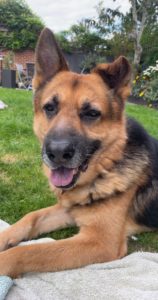

To make matters worse, Jack the cat – affectionately nicknamed “The Ripper” – had fleas that Judy couldn’t manage to treat. With a new baby due to visit the house and her elderly mum depending on daily visits from Snoopy, Judy suddenly found herself under immense pressure.

When too much lands at once

Snoopy’s coughing quickly became a concern. After examining him, I explained that chest X-rays were needed. Judy’s immediate worry was how she would manage it – she didn’t drive, and Judy’s budget was already stretched.

Thankfully, Snoopy was insured. At Paws Indoors, we reassured Judy that we could collect Snoopy for his X-rays, help her with the insurance paperwork, and safely deliver him back home afterwards. On top of that, we promised to help with Jack’s flea problem. (Our top tip: lure a reluctant cat into the bathroom with Dreamies or fish – fewer hiding places make the job easier!)

The diagnosis – and why it matters

Snoopy’s X-rays revealed lungworm, a serious condition often affecting young dogs who nibble grass or eat snails carrying the parasite. While lungworm doesn’t affect people, many other parasites can be particularly dangerous for babies, the elderly, and anyone with a weakened immune system.

With treatment and regular check-ups, Snoopy was soon on the mend. Meanwhile, after a short bathroom stand-off, Jack had his flea and worm treatment applied and was back to his usual antics.

Why parasite protection matters for every household

During a well-earned cup of tea with Judy, we talked through what to do next. Snoopy and the home would both need treating for fleas, and with the season just starting, keeping on top of parasite control was essential. With a new baby soon to be visiting regularly, regular worming was equally important.

That’s when I suggested the easiest and most cost-effective way to approach this was with a pet health plan.

What is a Pet Health Plan?

A pet health plan is an affordable, stress-free way to keep pets healthy. Here’s how ours works:

Convenient home delivery – flea and worming products arrive straight at your door, saving you time and hassle.

Never forget again – no more missed treatments, just consistent protection.

Save money – spread the cost monthly and enjoy discounted products, making pet health care more affordable.

Extra support – for pets like Jack, our consultation-included plan means one of our nurses can visit every three months to apply the treatments for you.

For Judy, our pet health plan was a lifesaver. Snoopy’s treatments were taken care of, Jack’s flea troubles were under control, and the whole household could finally breathe a sigh of relief.

Why choose a Health Plan with Paws Indoors?

Our plans are designed for real-life, busy families, older relatives, new babies, and, of course, pets with strong opinions about medicine! With regular parasite protection, you’re not only safeguarding your furry friends but also protecting your loved ones at home.

Ready to take the stress out of pet care?

Let us help you keep your pets happy, healthy, and protected all year round.

📞 Call us today: 01508 498718
📧 Email: info@pawsindoors.co.uk
🌐 Visit: www.pawsindoors.co.uk

Because your pets deserve the best care – right at home. 🐾

Monty’s Story: A home visit changed everything for a nervous dog

Posted in Stories

Monty’s fear of the vets

Monty wasn’t just reluctant about going to the vet – he knew the moment Jaquie turned into the road where the clinic was. Before they even parked, his anxiety was in full swing. Out of the car, he would spin and howl, lunging in the opposite direction, his 50 kilos firmly planted against any attempt to coax him inside.
To the outside world, Monty looked intimidating – he was a German Shepherd, after all. But behind the big-dog bravado, he was as anxious as a quivering poodle (Sorry, Poodles!).
Jaquie knew something was wrong. Monty was stiff, itchy, and had rubbed a sore over his eye. But she dreaded taking him to the vet – until she called Paws Indoors.

A different kind of vet visit

When we arrived at Jaquie’s home, she asked us to knock on the back gate while she secured Monty in the garden. She feared he might be aggressive, just as he had been at the vet practice before. “He’s really a lovely, affectionate dog,” she told us, embarrassed by his past behaviour.
This is a story we hear often. Many dogs “don’t like the vet,” not just because something painful has happened, such as injections or nail clipping, but because of traumatic past experiences – being restrained by multiple people, strange smells, slippery floors, loud noises, and an owner’s own anxiety feeding into theirs.
At Paws Indoors, we work differently. We follow the ‘fear-free’ approach, a term you might have heard. This approach, which we’ve been practising for years, focuses on creating calm, positive experiences that lead to better outcomes for pets and owners alike. It also means that animals are not left with traumatic memories of their medical experiences. We achieve this by using gentle handling techniques, providing a comfortable environment, and using positive reinforcement to reduce fear and anxiety in pets.

Building trust, one chicken treat at a time

Back to Monty – or rather, to Jaquie, who was understandably nervous. I spent the first ten minutes simply chatting with her about all the experiences she’d had with Monty while offering him small bits of chicken through the fence.
I observed his movement around the garden, how he scratched, and how sensitive he was to touch on his head – not from fear, but from irritated, hypersensitive skin.
In a clinic, even the most easy-going pet’s behaviour can change. But at home, I could assess Monty’s mobility, see which legs hurt, evaluate his behaviour and motivation, and check his vision, hearing, coat, and skin. When Jaquie got him to roll over, I could examine the sore, red skin on his belly – all without him realising he was being “examined” at all.

A plan without the stress

By the end of our visit, Jaquie was more relaxed, Monty was comfortable, and we had a plan. We treated his sore legs, soothed his irritated skin, and improved his quality of life – all while he pottered happily around his garden, enjoying treats. It was a successful and uplifting experience for all of us.
The takeaway for nervous pets
Monty’s story is proof that vet care doesn’t have to be stressful or frightening. With a calm approach, familiar surroundings, and patience, even the most anxious pets can receive the care they need without trauma.
Give your pet a fear-free vet experience at home
If your dog or cat dreads going to the vet, Paws Indoors can help. Our mobile vet service brings expert care right to your door, keeping your pet calm and comfortable.
📞 Call us today or visit pawsindoors.co.uk to see if we cover your area and book a home visit.


August Newsletter

Posted in Newsletter

Have you entered our Pet Photo Competition yet?

For the winner, local artist Ani Bee will make a portrait of your pet.

Caroline has also been shopping for some thrifted items, including a Ronaldo shirt, see social posts for more details.

We have had some super submissions so far. We are looking for photos that fall into one of these three categories – Family Portrait  – animal family or animal and hooman family, Our bond – animal and hooman, Just for fun – anything that your pet does that makes you smile!

For all the details on how to enter, scan the QR code on the picture to the left or click here

The Photo Competition is raising money in aid of PACT, so please make a donation on our JustGivingpage


Breast Cancer Now

Still on a charity theme, we will be hosting afternoon tea at the surgery, Broaden Lane, Hempnall, NR15 2LU in aid of Breast Cancer Now.

Tuesday September 16th

12noon til 4pm.

This is a charity close to our hearts as we lost a very dear colleague, April Caton, to breast cancer.

Please drop in for tea/ coffee, cake and pupcakes and a chat. The theatre will be open ( as long as there are no emergencies!) so feel free to have a look around at the equipment.

All About Dogs

The annual dog festival will be at the Norfolk showground on Sunday August 24th and Monday August 25th. We will be there with home made

peanut butter and honey dog biscuits so do come along and say hello! We have home made peanut butter dog biscuits to give away!


We are partnering on the stand with lovely Lizette from  Pet Estate Planning Cross-Border World Wide.
Do you worry about what would happen to your pet if you were no longer able to take care of them due to ill health or incapacity? Lizette can help you think through the steps needed and put the paperwork in place so that

James Ayres, from Luna and co will also be there to answer any questions about training and behaviour.


Cattitude

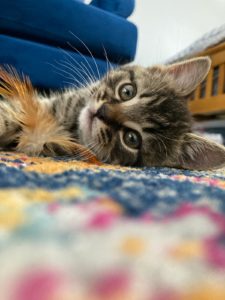
A cat showing predatory play behaviour
Play is especially important for indoor cats

We have been helping several families with behavioural problems with their indoor cats. While the image of a sleek well groomed cat atop  a luxury sofa, reclining in minimalist splendour can be very alluring, in most cases, this is not what a cat would naturally chose. Cats are still, evolutionarily and behaviourally close to their wild ancestors.

Here are our top tips for making indoor cats feel at home.

  1. Scent. Cats, even more than dogs, are influenced by smells, their own and others. Try not to use too many diffusers or strong smelling cleaning products.
  2. Leave cat blankets/beds around for several weeks. Wash in rotation so that there is always some of the cat’s own scent nearby.
  3. Separate feeding, watering and toileting stations. Have at least one per cat in the household and one extra.
  4. Think in three dimensions – cats like to climb. Being high makes them feel safe. Where in your house can your cat get up high to hide? Think kitchen cabinets, wardrobes, shelving, cat trees, cat furniture.
  5. Cats in the wild are prey as well as predator so they like to hide. Use cardboard boxes, throws over furniture, cupboards with a secret entrance- at the side or the back.
  6. Lines of sight. In open plan, tidy houses , there are often many long clear lines of sight, especially at floor level – so the cat under the sofa still feels exposed. Break them up with throws/ blankets that trail to the floor, cat-safe indoor plants, bead curtains in doorways and well placed furniture.
  7. Patio doors and bay windows mark the threshold of the cat’s territory. For cats who find such an expansive vista too overwhelming, putting opaque film or cardboard, or a row of pot plants or net curtains can help provide a barrier, to help your cat feel more secure.
  8. Music. While some cats prefer classic fm or radio Norfolk, try experimenting with natural sounds – rainforests or birdsong may be appealing.
  9. Environmental enrichment. Provide new toys on a regular basis – old toys can be put away for a while and then brought out again as new. Provide a variety of scratching surfaces, mats, carpet squares.
  10. Although fleas and worms may be less of a worry, indoor cats still need regular health checks, to keep an eye on their weight, their teeth and any signs of stress related behaviours.                                                                                                                                                                                              For further advice, search online. We like International Cat Care who give great advice on everything cat.


Thanks everyone!

All the team at Paws Indoors

The Importance of Dental Checks

Posted in Uncategorised

Cleopatra’s story: How a dental check gave our elderly cat a new lease of life

A grand old lady in decline

Cleopatra, a cherished family member, was showing signs of ageing. She was 17, frail but dignified, with a wispy coat and a gentle soul. Her days were spent curled on the sofa, seemingly content but increasingly withdrawn. Her owners, Mike and Jenny, noticed her slowing down. They initially attributed it to old age, but something felt off. She was not her usual self.

She had grown up alongside their children, a constant presence through the years. So, they called Paws Indoors to see if anything could be done to help her in her twilight years.

The hidden pain: when teeth are the problem

Cleopatra’s check-up was mostly reassuring—her heart was strong, her tummy fine, her eyes and ears clear. But then we looked in her mouth.

Her teeth were covered in tartar, her gums inflamed and sore. Mike and Jenny were surprised. “But she’s eating fine,” Jenny said.

It’s a common misunderstanding. Pets often continue eating even with advanced dental disease. They’re hungry, and they simply endure the pain. They don’t cry out or limp—pain in their mouth is invisible, but constant. They become less active, less playful and less engaged – symptoms which owners put down to ageing, not pain.

Dental disease isn’t just about the mouth

Rotten teeth don’t just cause localised pain. The inflammation they cause contributes to rapid ageing, affects internal organs, and can even accelerate cognitive decline. It makes arthritis worse and robs pets of their joy in everyday life.

If you clean up the teeth, everything improves.

A brave decision

Mike and Jenny listened to all my reasons for performing dental treatment on Cleopatra, which would involve an anaesthetic and a day at the hospital. They were cautious, as at her age, it wasn’t an easy decision—was it worth the risk and expense for an elderly cat?

We reassured them: we’d run blood tests first to rule out any underlying conditions. If her body was up to it, there was so much she could gain—relief from pain, a better quality of life, and maybe even more precious time.

They bravely agreed.

A second youth

Cleopatra’s dental treatment was a success. She lived another two years, and they were wonderful years.

She became engaged again, choosing to sit on laps, rubbing around Jenny’s legs in the kitchen, and even pouncing on Christmas wrapping paper. She was still old, but now she was herself again—curious, affectionate, and most importantly, alive.

When she finally passed, it was with peace and love. Jenny told us, “We’re so glad we went ahead. Those two years were a gift.”

Is your pet quietly suffering?

If your elderly cat or dog seems to be ‘just getting old,’ don’t assume it’s only age. Subtle changes could be signs of hidden pain, often dental. It’s crucial to pay attention to these signs and seek professional help.

At Paws Indoors, we’re here to help your pets live not just longer lives, but better ones.

🐾 Book a mobile vet visit today

Let us come to you—stress-free, compassionate care right in your home.
📞 Call us or book online at pawsindoors.co.uk

Your pet deserves comfort. Let’s make their golden years truly golden.