
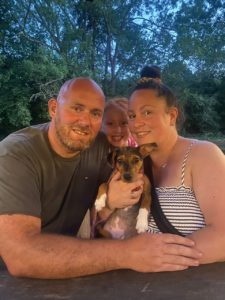
Milly is a delightful terrier cross with sparkly black eyes, perky ears and an enthusiasm for life that her family adore. She loves long countryside walks, spending time with her people – and she really loves to chew.
Unfortunately, that love of chewing has landed Milly in trouble more than once.
When past experiences shape present fears
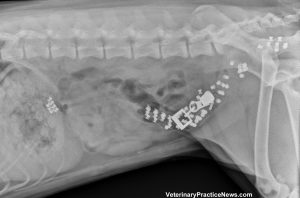 Milly has previously eaten things she shouldn’t have, leading to surgery to remove foreign objects from her stomach. While these procedures were necessary, they were understandably frightening for her.
As a result, Milly now has a deep fear of vets. When she senses one nearby, she becomes extremely anxious and can react defensively. For her owners, Tim and Anna, this has always been a considerable concern.
Helping Milly feel safe
Tim and Anna spent a long time patiently teaching Milly to wear a muzzle, helping to keep everyone safe during stressful moments. Even so, their priority has always been to minimise Milly’s stress.
That’s why a calm, carefully planned approach was essential when Milly became unwell again.
Subtle symptoms that couldn’t be ignored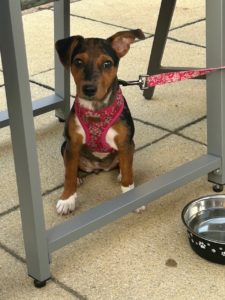
Milly started showing intermittent symptoms of vomiting and diarrhoea. At first, we monitored her closely and supported Tim and Anna with dietary advice and simple first aid guidance – all aimed at avoiding unnecessary stress.
However, after a couple of weeks, it became clear that Milly wasn’t improving. In fact, things were getting worse.
A concerning change
Despite still enjoying her walks and eating normally, Tim noticed something worrying – Milly’s tummy was becoming swollen and bloated. At that point, further investigation was unavoidable.
Planning care around Milly’s needs
Because of Milly’s personality and past experiences, every step had to be carefully thought through.
Tim brought Milly to our small, quiet surgery wearing her muzzle. Before she had time to realise where she was, we gave her a gentle sedative injection – so smooth that she barely noticed.
A different kind of veterinary surgery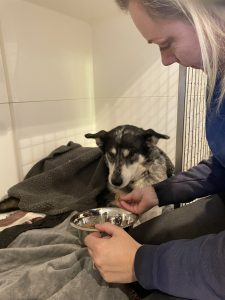
Our surgery is very different from a typical veterinary practice:
No busy waiting room
No barking dogs or unfamiliar animals
No extended stays away from home
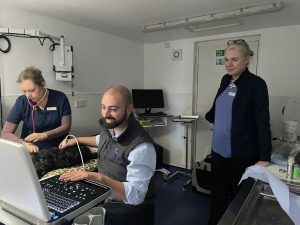
Because Paws Indoors is primarily a mobile vet service, we only have one or two in-patients at a time. This creates a calm, controlled environment that is ideal for anxious pets like Milly.
Investigating while Milly slept peacefully
Once sedated, Milly was allowed to sleep quietly in her kennel, under close monitoring by our veterinary nurses. While she was blissfully unaware, we were able to:
Take blood samples
Perform X-rays
Carry out an ultrasound scan
Unfortunately, the initial findings were concerning.
 Accessing specialist care without added stress
We recommended a specialist opinion. For Milly, referral to a large veterinary hospital would have been her worst nightmare – noisy wards, lots of animals, clanging doors and unfamiliar smells.
Instead, we arranged for a specialist to come to our surgery.
Using the same calm, well-practised protocol, Milly was gently sedated again, and while she slept, we carried out further investigations and took samples for laboratory testing.
Minimising time apart
On both occasions, Tim was on standby to collect Milly as soon as she was awake enough to go home. Keeping her stay as short as possible was better for both Milly and her family.
Even pets who aren’t as sensitive as Milly benefit from spending less time away from home – and we know how important that is for owners too.
 Positive progress and thoughtful ongoing care
We received the specialist’s opinion on the same day, with laboratory results following the next day. Milly was started on medication promptly, and we were delighted to hear at her follow-up that the swelling had reduced significantly.
What does ‘best’ care really mean?
If Milly were a more relaxed dog, we might routinely repeat blood tests and scans to closely monitor her progress.
However, with Milly, we carefully discussed all options with Tim and weighed the risks and benefits. Together, we agreed that the kindest approach was to monitor her symptoms closely at home and adjust her medication as needed.
This is what we mean by contextualised care.
Contextualised care at Paws Indoors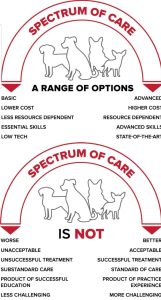
Contextualised care means recognising that:
Every pet is different
Every family is different
“Best practice” isn’t one-size-fits-all
Our goal is always to find a treatment plan that takes into account a pet’s medical needs, emotional well-being and home environment – delivering the best possible outcome for that individual animal.
Looking for a calmer veterinary experience?
If your pet finds traditional vet visits stressful, or if you’re looking for a more personalised, compassionate approach to veterinary care, we’re here to help.
Get in touch with Paws Indoors
Learn more about our mobile veterinary services or call us to book an appointment.
For some pets, like Milly, calm, understanding care makes all the difference. 🐾