
A much-loved Labrador

Rolo was a classic Labrador through and through – tail in constant motion, a wide, infectious grin, and a gentle patience that made him the grandchildren’s favourite playmate. He loved food, family, and fuss, and perhaps that was why he carried a little extra weight.
 For his 14th birthday, the whole family gathered for cake and celebrations, marking another year with their loyal companion. But behind the happy moments, it was clear that Rolo was beginning to struggle.
Subtle signs that something was wrong
Rolo had started tripping up the small step from the back door into the garden. He found it difficult to climb onto the sofa, and he refused to use the boot ramp Graham and Brenda had bought for the car.
And then came the clearest sign of all: he stopped eating. For a Labrador, this is never normal, and his family knew it was time to seek help.
A home visit and a diagnosis
When I visited Rolo at home, it became clear that he had arthritis in multiple joints, and the way he moved suggested significant back pain as well.
Like many dogs – especially Labradors – Rolo had been hiding his discomfort for a long time. Their eagerness to please means they push through pain to keep up their routines, greeting the family, going for walks, and showing enthusiasm, until the discomfort becomes too overwhelming to mask.
Rolo had done such a convincing job that his family hadn’t realised he needed help.
Supporting an older dog through arthritis
Thankfully, there was a lot we could offer Rolo. With a combination of medication, complementary therapies, nutritional support, and minor environmental changes, he soon regained his appetite. Before long, he was playing with his toys again and enjoying gentle strolls to the post box and back.
But arthritis is a progressive condition. After about six months, the signs returned. Rolo was still eating, still wagging his tail, but walking was more challenging, and even the ramp to the garden was becoming difficult.
Understanding quality of life
Over a cup of tea, I sat down with Graham and Brenda to revisit Rolo’s quality of life. When caring for an elderly or unwell pet, it’s easy to focus on one issue, such as mobility or toileting. But looking at the whole picture offers a more straightforward guide.
The 5 key areas we assess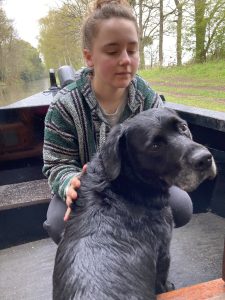
1. Eating and Drinking
Is the pet eating enough to sustain itself and drinking enough to stay hydrated?
2. Toileting
Can they toilet independently, or can the owner manage incontinence with tools like puppy pads, wraps, nappies, or litter trays?
3. Mobility
Are they able to move around freely and choose where they want to be—whether that’s a sunny patch, their bed, or the garden?
4. Pain, Anxiety, Distress, and Nausea
Are these symptoms well-controlled? This may involve medication, as well as gentle nursing care and companionship.
5. Engagement – Their “Head in the Game”
Does the pet still show interest in life? Do they come for cuddles, explore scents in the garden, greet visitors, investigate shopping bags—or are they withdrawn, sleeping most of the day, or simply existing?
There are many scoring charts online, but these five principles allow families to talk honestly about what is acceptable for their individual pet. Together, we identify the “red lines” that would indicate that their companion’s quality of life is no longer sufficient.
 Making the kindest choice
Graham and Brenda monitored Rolo closely over the next few weeks. Then, one morning, they called. Rolo had eaten his breakfast and greeted them happily, tail thumping the floor… but he couldn’t stand. The pain was simply too much.
Saying goodbye is devastating, no matter how much love surrounds the moment. Families always worry whether they’re choosing the right time. But helping Rolo pass peacefully at home, supported by the people who adored him, was an honour.
Rolo was deeply loved—and that love guided every decision.
Need support with your senior pet?
If you’re caring for an older dog or cat and need help managing mobility, pain, chronic illness, or quality of life decisions, Paws Indoors is here for you.
As a mobile vet service, we provide gentle, compassionate care in the comfort of your home—where your pet feels safest.
👉 Contact us today to book a home visit or discuss your pet’s needs.