
We do hope that everyone is enjoying the Summer,
and enjoying the respite from the heatwaves. This month we have some useful first aid advice, a discussion about pet parasite treatments — and an invitation to come and see us at the All About Dogs Show!
All About Dogs
We will be at the all about dogs show at the Norfolk showground this Sunday 30th and Bank Holiday Monday 31st August. Do come and say hello. The All about dogs show is great fun for people and dogs – so far it looks like the weather won’t be too hot for them, thank goodness!
 We are running a fete themed stall and will have a spin the wheel competition with prizes for everyone. Prizes include subscriptions to our Consultations Included plans , first aid kits, nose and paw balm and, of course, home made dog biscuits.
For 10% off tickets go to All About Dogs show website and use the code AZTEC at checkout.
We are very pleased with out first aid kits, which will be available as prizes at the show or from the surgery at a cost of £25. They include everything you may need to treat a minor injury or an emergency situation when at home with your pet or out and about.
🐾 Pet First Aid – Essential Tips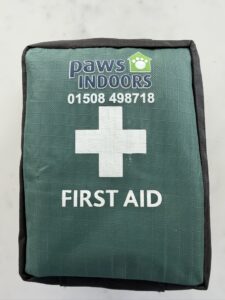
If your pet has an accident:
- Stay safe – frightened or injured pets may bite or scratch.
- Keep them calm and still – especially if you suspect a fracture or serious injury.
- Check breathing and responsiveness and look for obvious injuries.
- Stop bleeding – apply firm, continuous pressure with a clean dressing.
- Protect wounds – rinse minor wounds with clean water or saline and cover with a clean dressing.
- Don’t remove embedded objects – leave them in place and seek veterinary help.
- Keep them warm – use a blanket or foil blanket if necessary.
- Move them carefully – a towel or blanket can be used as a makeshift stretcher.
- Call a vet for significant injuries or if you are unsure what to do.
🚨 Seek urgent veterinary help for: difficulty breathing, collapse, severe bleeding, seizures, poisoning, severe pain, suspected fractures, eye injuries or road traffic accidents.
First aid helps keep your pet safe until veterinary treatment is available.
 🪲 Does my pet need year-round parasite treatment?
There has been increasing discussion about the use of parasite treatments and the risks and benefits of treatment compared with the harm some of these products pose to the environment..
🐾 Our approach at Paws Indoors
We are very happy to discuss your pet’s lifestyle with you and assess their individual risk. We can then recommend a parasite-control plan that provides the protection they actually need, while avoiding unnecessary treatment where the risk is sufficiently low.
Current veterinary guidance supports a risk-based approach: looking at an individual pet’s lifestyle, environment, health and exposure to parasites and then deciding what level of protection is appropriate.
Why might year-round protection be beneficial?
Parasites don’t necessarily disappear when summer ends. Fleas can survive and reproduce indoors throughout the winter, particularly in centrally heated homes, and flea infestations can occur at any time of year.
Regular parasite control can:
- prevent the discomfort and skin disease caused by fleas
- reduce the risk of flea allergy dermatitis in susceptible pets
- protect against worms that may cause illness
- reduce environmental contamination with worm eggs and larvae
- reduce the risk from certain parasites that can also infect people
- protect pets exposed to ticks and some tick-borne diseases
- prevent an infestation becoming established in your home, when it can be much harder to eradicate.
🐕🐈 Which pets are at greater risk?
 Some pets have significantly greater parasite exposure risk than others. Do any of these apply to your pet?
- Regular outdoor access
- Dogs or cats with access to woodland, long grass or areas with lots of wildlife
- Cats that hunt
- Dogs that scavenge or eat things they find outdoors
- Eating a raw meat diet, particularly raw offal
- Dogs that eat slugs or snails, or regularly chew grass and objects outside
- Living with several other dogs or cats
- Regular contact with other animals, e.g. dog fields, day care, or shows
- A history of flea allergy or allergic skin disease.
- Puppies and kittens, which have particular parasite risks
- Pets that travel abroad
- Pets living with or regularly visiting people for whom some zoonotic infections could be of particular concern. These include young children, toddlers and babies and people undergoing immunosuppressive or chemotherapy.
These factors can affect not only whether treatment is advisable but also which parasites we need to protect against and how frequently treatment should be given.
If you’d like more detailed information on parasite risks, please call us or visit BSAVA parasite control position statement
🍺 Is your dog a good pub companion?
 Long summer evenings, a shady beer garden and the dog snoozing peacefully underneath the table. Perfect.
Or perhaps yours is the one enthusiastically greeting every new arrival, staring hopefully at everyone’s lunch and somehow managing to position themselves directly in the path of every passing waiter…
If your dog enjoys coming to the pub with you, remember to give them access to water and shade, watch the temperature and make sure they’re enjoying the outing as much as you are.
And go easy on the pub snacks — however convincing those eyes may be!
Enjoy the rest of the Summer and don’t forget to come and see us at the All About Dogs show!!
Best wishes from all the team at Paws Indoors.
Contact us on 01508 498718 or email info@pawsindoors.co.uk