
Wishing all our wonderful clients — and their much-loved pets — a very Merry Christmas and a bright, healthy, and prosperous New Year!
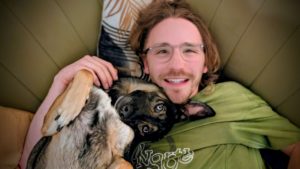
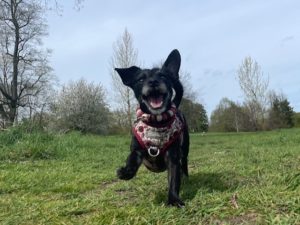
Thank you from the bottom of our hearts for your continued support this year. It has truly been a joy to care for each and every one of you. Santa will definitely be popping a few extra treats your way for all the smiles you and your pets have given us — even (and especially!) our delightfully spicy ones!
We look forward to supporting you throughout the year ahead. As always, we’re committed to growing and improving, so your feedback and suggestions are warmly welcomed.
Opening dates for Christmas
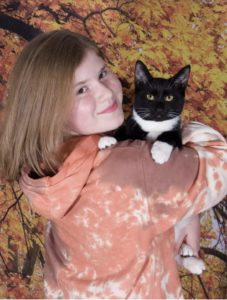
Tuesday 23rd December – 9.00am – 6.00pm.
Wednesday 24th December – 9.00am. to 2.00 pm
Christmas Day – Closed
Boxing Day – Closed
Saturday 27th December – Open 8.30-12.30, on the day emergencies only. Please call the mobile 07986 933849
Sunday 28th December – Closed.
Monday 29th – 9.00am – 6.00pm
Tuesday 30th – 9.00am – 6.00pm
Wednesday 31st – 9.00am -4.00pm
Thursday January 1st 2026 – Closed
Friday 2nd – 9.00am – 6.00pm.
Last dates for prescriptions
Please could we have prescription orders in by Friday 12th December. This will give us time to process and order the requests and get them out in the post by Wednesday 17th December. This will be the last posting date for prescriptions. We can continue to fulfil prescriptions after this but they will need to be delivered ( £11 delivery charge) or collected from the surgery.
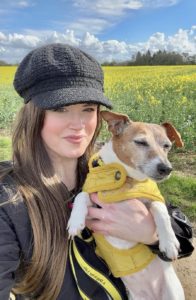
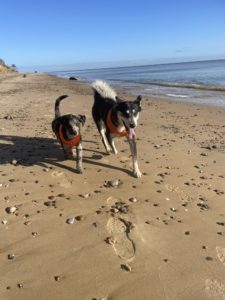
Photo Competition Winners.
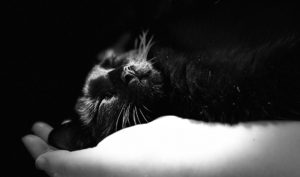
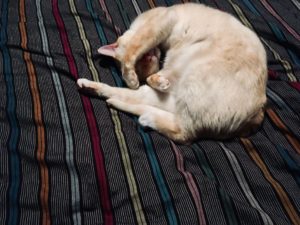
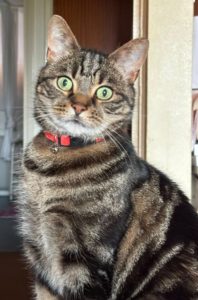
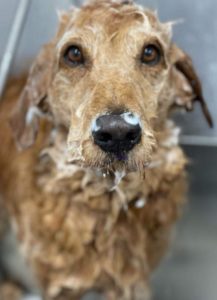
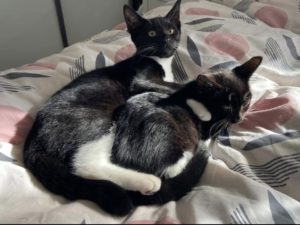
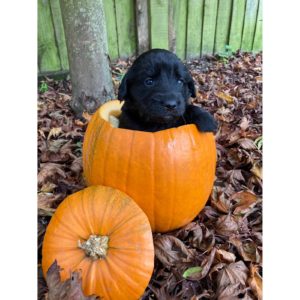
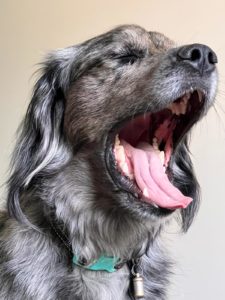
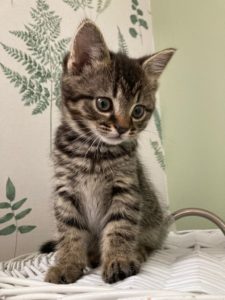
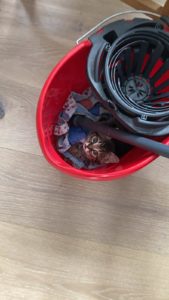
Thank you to everyone who entered our competition. The Winners are spread through the newsletter. We had such fun seeing all the entries. It was very hard to pick winners – glad it wasn’t my job! However, the overall winner was a firm favourite with all the judges as it represents the connection that every pet owner holds dear. Many congratulations to Claire Parkin and her cat Salvatore.
Top Tips to help everyone enjoy a peaceful festive season.
Keep festive food out of reach. Chocolate, mince pies/puddings, nuts and cake as well as turkey leftovers and sweets containing artificial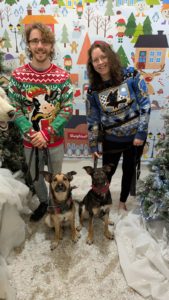 sweeteners, can make pets very sick. Keep holiday food and drink well out of reach.
Keep your vet’s phone number handy, in case of emergencies, and ensure that you have enough of your pet’s medication to see them over the holiday period. Make sure microchip details are up to date as pets often slip out during all the comings and goings.
Beware tinsel, decorations, electric cords and candles, which can all be attractive to pets but can cause accident and injury. Do not leave your pets unattended.
In between all the festivities, try and stick to your pet’s routine as much as possible. Ensure they have enough quiet time and a safe room or space to use as a refuge, so that they can chose whether or not to join in.
In cold weather, check under your car and bang the bonnet before starting, as cats often climb onto engines for warmth. Mop up all antifreeze spills. This is sweet tasting to pets and highly toxic.
In snow, use coconut oil on paws and fur to avoid snowballs clinging to fur and to protect against salt and grit. Wash paws on returning home.
New years resolutions such as loosing weight and taking more exercise are great for pets too!
A Little Bit of Politics
For those following the ongoing CMA investigations, we wanted to share a few thoughts.
First, we’d like to reassure you that we are an independent practice. Our priority is – and always has been – to support you and your pets with the best care we can provide. At the same time, we are a small, highly regulated business delivering private healthcare for animals. High-quality veterinary care is, unfortunately, inherently costly, and unlike human private healthcare, veterinary services are also subject to VAT.
Some of the CMA’s proposals, such as updating the very out-of-date Veterinary Surgeons Act, ( brought in the year I was born!), are long overdue and would be welcome.
However, other suggested “remedies” would simply add layers of regulation and administrative work. In reality, this would increase our running costs and ultimately raise the prices we would need to charge in order to continue providing a safe and reliable service.
On the Plus Side
We’re always happy to work with you to find options that fit both your needs and your budget. We follow the principles of contextualised care, and we are more than willing to provide a written prescription if you prefer to purchase medications from an online pharmacy (which can often sell them for less than we can buy them from wholesalers).
We also offer health plans designed to make it easier to budget for routine care and to soften the impact of unexpected or urgent situations. If you’d like to know more, please take a look at our website or give our reception team a call.
best wishes for Christmas and a peaceful and healthy New Year to all
Rosie, and all the team at Paws Indoors

 Treating the Whole Pet, Not Just the Symptoms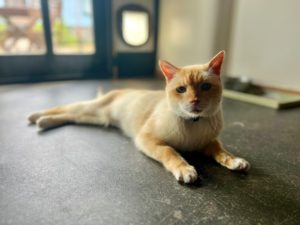
 Thank you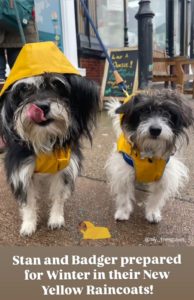
 What is a Pet Health Plan?
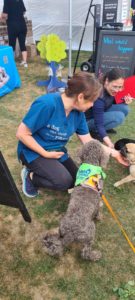 so it is a good way for us to spread the word about Paws Indoors. If you have a community group who would like a talk from Rosie, or Emmaly, please get in touch.
 busy mum, carer, and devoted pet owner, when her two-year-old spaniel Snoopy started coughing.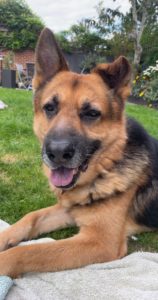
 Have you entered our Pet Photo Competition yet?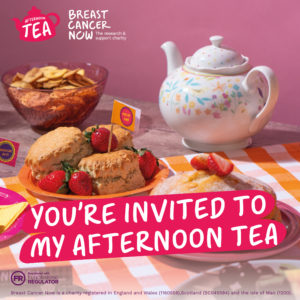
 We are partnering on the stand with lovely Lizette from
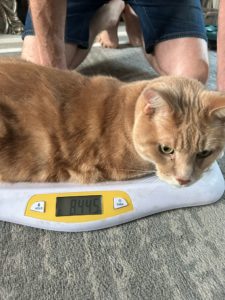
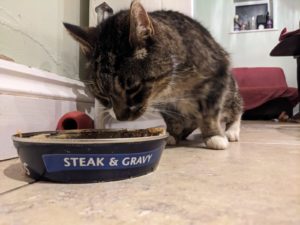 Cleopatra’s story: How a dental check gave our elderly cat a new lease of life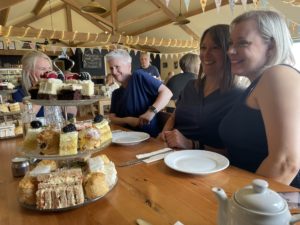
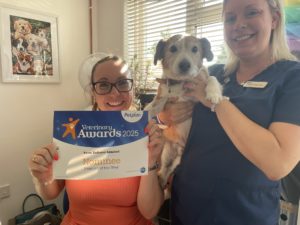 If you would like more information or would like to add to our nominations, please follow this link-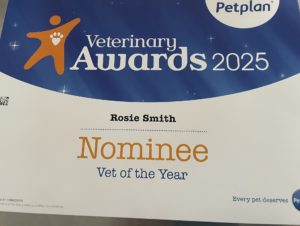
 Pet Photography Competition is now open!!
 We are doing all this to raise money in aid of Pact. If you would like to donate, please go to our
  Holiday top tips
 How often should I worm my pet?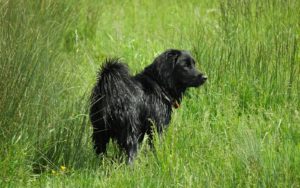
 Trouble begins: Stress and unwanted behaviour